
Snow Blower Buying Guide 2026: Everything You Need to Know
Buying a snow blower is a 15-year decision. The right one makes winter manageable; the wrong one becomes the most expensive yard tool you never use. This complete 2026 buying guide walks you through every decision — power source, clearing width, snow type, budget — so you end up with a machine that fits your driveway and your life.
Step 1: Decide on Power Source
Gas Snow Blowers
Best for: heavy snow regions (Northeast, Upper Midwest), long driveways, gravel surfaces, or when you cannot afford to be slowed down by battery limits.
- Unlimited runtime as long as you have fuel
- Most powerful options available
- Higher maintenance (oil, plugs, fuel stabilizer)
- Loud and emits exhaust
Cordless Battery Snow Blowers
Best for: moderate snowfall regions, driveways under 75 feet, paved surfaces, anyone who hates engine maintenance.
- Push-button start, every time
- Quiet — can clear early without waking neighbors
- Zero emissions
- Limited runtime (30–60 min per battery)
Corded Electric
Skip these for anything beyond a small walkway. Cord management in snow is no fun.
Step 2: Choose Single-Stage, Two-Stage, or Three-Stage
Single-stage: for paved driveways, snow up to 8″ deep. Lighter and cheaper. The auger touches the ground.
Two-stage: for gravel or paved driveways, snow up to 18″ deep. Self-propelled, throws snow much farther. Auger does not touch the ground.
Three-stage: for serious snow regions, fastest clearing speed. Premium price point.
Step 3: Pick the Right Clearing Width
Match the width to your driveway size:
- 18–21 inches: small driveways, walkways, condo paths
- 22–24 inches: single-car driveways, average walkways
- 26–28 inches: two-car driveways, the most common pick
- 30+ inches: long driveways, multi-car parking, commercial use
Wider is faster, but harder to maneuver around tight spots. Most homeowners are well-served by 24–26″.
Step 4: Match It to Your Snow Type
Not all snow is equal. Light, dry powder is easy. Wet, packed snow at 30°F can defeat a small machine.
- Light powder (Northeast, Upper Midwest deep winter): single-stage handles fine
- Heavy wet snow (Coastal, mid-Atlantic, transitional regions): get two-stage minimum
- Mixed conditions: two-stage is the safer bet
- Ice and packed snow: two-stage with serrated auger blades, ideally with track drive (like the Honda HSS1332AAT Track Drive)
Step 5: Consider Driveway Surface and Slope
- Paved/concrete: any type works; single-stage cleans down to the surface
- Gravel/dirt: two-stage required (single-stage will pick up rocks)
- Sloped driveways: self-propelled is essential; for steep slopes, get a track-drive model
- Uneven surfaces: two-stage with adjustable skid shoes
Step 6: Set a Realistic Budget
- $400–$700: entry-level single-stage, gas or battery
- $700–$1,200: mid-range single-stage or budget two-stage
- $1,200–$2,500: quality two-stage gas, premium cordless two-stage
- $2,500–$5,000: premium two-stage and three-stage, track drive options
Top Picks by Use Case
Best Overall Two-Stage
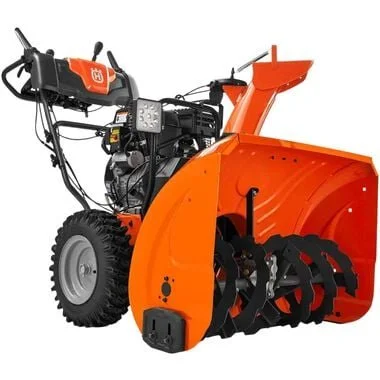
Husqvarna ST 230 30″ — wide clearing, strong build, the workhorse most people end up loving.
Best Premium Two-Stage
Toro Power Max HD 1030 — heavy-duty engineering for the worst winters.
Best for Steep / Icy Driveways
Honda HSS1332AAT 32″ Track Drive — track drive grips on slopes and ice where wheels slip.
Best Mid-Range Gas Two-Stage
Troy-Bilt Storm 2600 26″ — solid all-rounder for typical winters.
Best Cordless Two-Stage
EGO Power+ 24″ SNT2400 — finally, a battery two-stage that performs.
Best Single-Stage
Toro Power Clear 721 QZE 21″ — quiet, electric start, perfect for paved driveways.
Best Budget Cordless
Powersmart 80V 21″ with 2 Batteries — strong value with two batteries included.
Features Worth Paying For
- Electric start: no more pull-cord wrestling on cold mornings
- Heated handgrips: a small luxury that pays off every storm
- LED headlight: essential for early-morning or late-evening clearing
- Quick-turn chute control: change throw direction without stopping
- Power steering: a real comfort upgrade on heavier two-stage models
Features You Can Skip
- Bluetooth/app connectivity (gimmick on most snow blowers)
- Built-in heater (rare, expensive, rarely useful)
- Premium chute materials beyond standard steel/poly
Maintenance to Plan For
Gas models need:
- Oil change once a year
- Spark plug every 1–2 years
- Fuel stabilizer at end of season
- Shear pin replacements occasionally
Battery models need:
- Indoor battery storage at 50–80% charge between seasons
- Auger cleaning after each use
Final Thoughts
The best snow blower is the one that matches your specific driveway, snow type, and how much you want to think about it. Be honest about what you actually face each winter — not just the worst storm in 10 years — and you will end up with a machine that quietly handles every storm for the next decade and a half.
Browse the full snow blower lineup at Gioaccessories.com to compare every model side-by-side and find your match.